Leadership
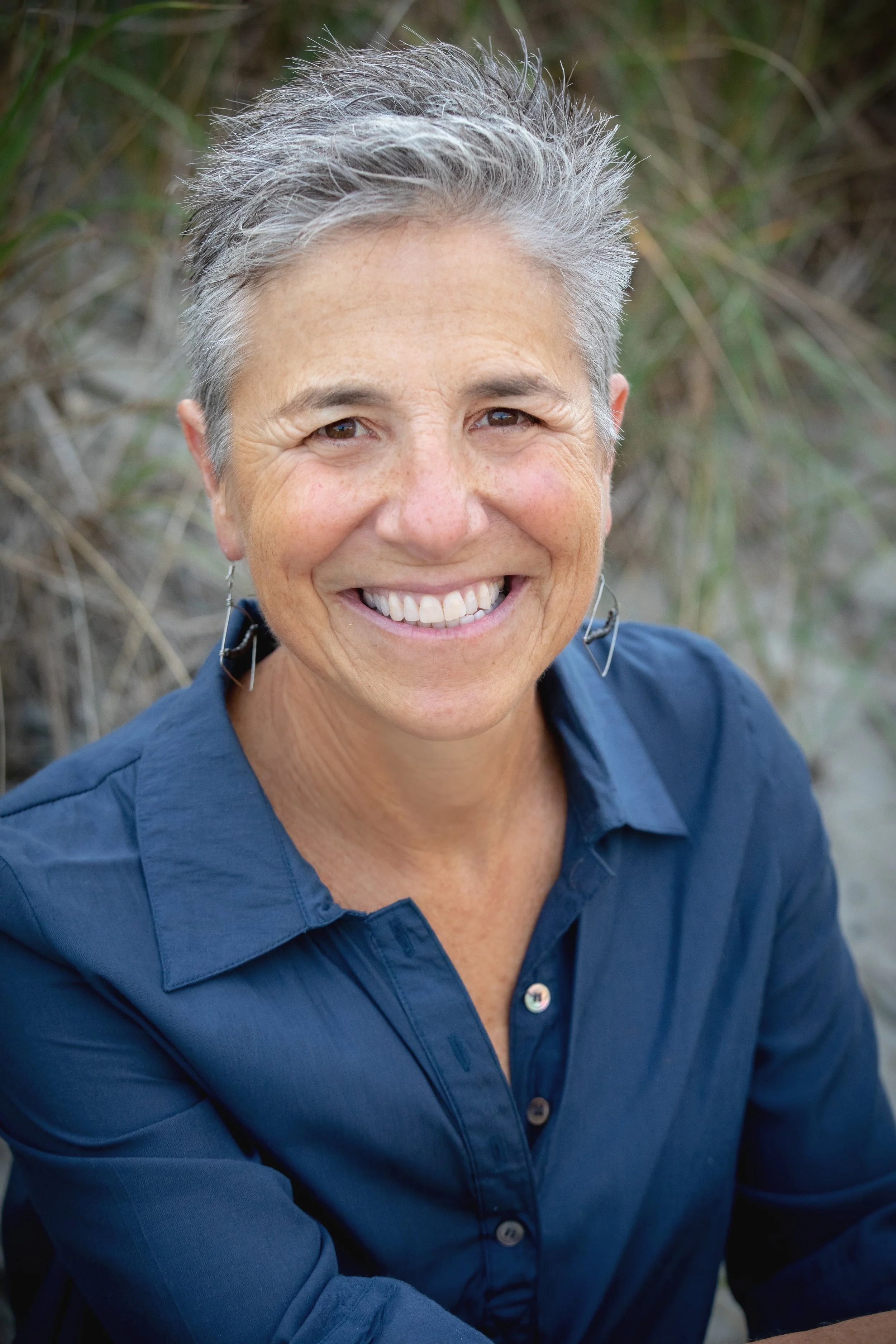
Rachel Balaban
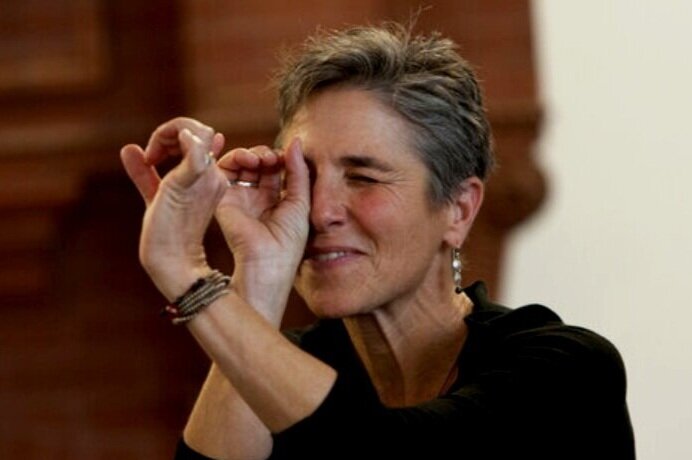
Rachel Balaban is a dancer, teaching artist, and maker. She's committed to helping people access their vitality and health through movement and to making dance accessible to all populations. In 2013, Rachel founded Dance for All People (DAPpers), a multigenerational dance program designed for people with movement challenges and aging bodies. She is Teaching Associate and inaugural Artist-in-Residence at the Warren Alpert Medical School at Brown University where she plays a pivotal role in supporting the well-being and personal/professional development of medical students, residents, fellows, and other learners. Through a diverse range of art-based initiatives, she works collaboratively with the Assistant Dean of Well-Being and other stakeholders to help the medical school community flourish.
From 2013-2022, Rachel was co-founder and co-director of Artists and Scientists as Partners (ASaP), with Julie Adams Strandberg, at Brown University. ASaP was a 2 semester academic program exploring the impact of the arts on people with neurological disorders, specifically Parkinson’s disease and Autism Spectrum Disorder. In addition to teaching, she focused on the connection between community members and undergraduate students, coordinating academics, research, and arts programming.
Rachel presents and leads movement workshops for schools, faculty, foundations, corporations, conferences, community centers, hospitals and other healthcare facilities. When Rachel isn’t dancing, you’ll likely find her swimming, sailing, paddle boarding, walking her dog, biking, practicing yoga, or playing with her grandchildren. Being in motion, with her family, and in community with others is what brings her the most joy.
Advisory Team
Julie Adams Strandberg is distinguished senior lecturer at Brown University and founding director of dance in the University’s Department of Theatre Arts and Performance Studies.
Gregory Youdan Jr is a visiting research scholar at Brown University, adjunct lecturer at Lehman College, and research scientist specializing in dance for health programs for people with neurological conditions.
Miranda Olson is a researcher in the Department of Health Services, Policy, and Practice at Brown University School of Public Health with a focus on delivery and implementation of complex interventions.
Helene Miller is Organizer of The Partnership for Providence Parks, Recreation Centers and Streetscapes (P3) in Providence, RI.
Barbara Guillette, a semi-retired physician, was diagnosed with Parkinson’s disease in 2011 and has participated in DAPpers classes since 2016.
Contributing Artists
-

Jada Wooten
DANCER
Brown ‘24
-

Halle Katz
DANCER
Brown ’18
-

Erin Chang
DANCER
Brown ’23
-

Orly Sela
DANCER
Apprentices
-
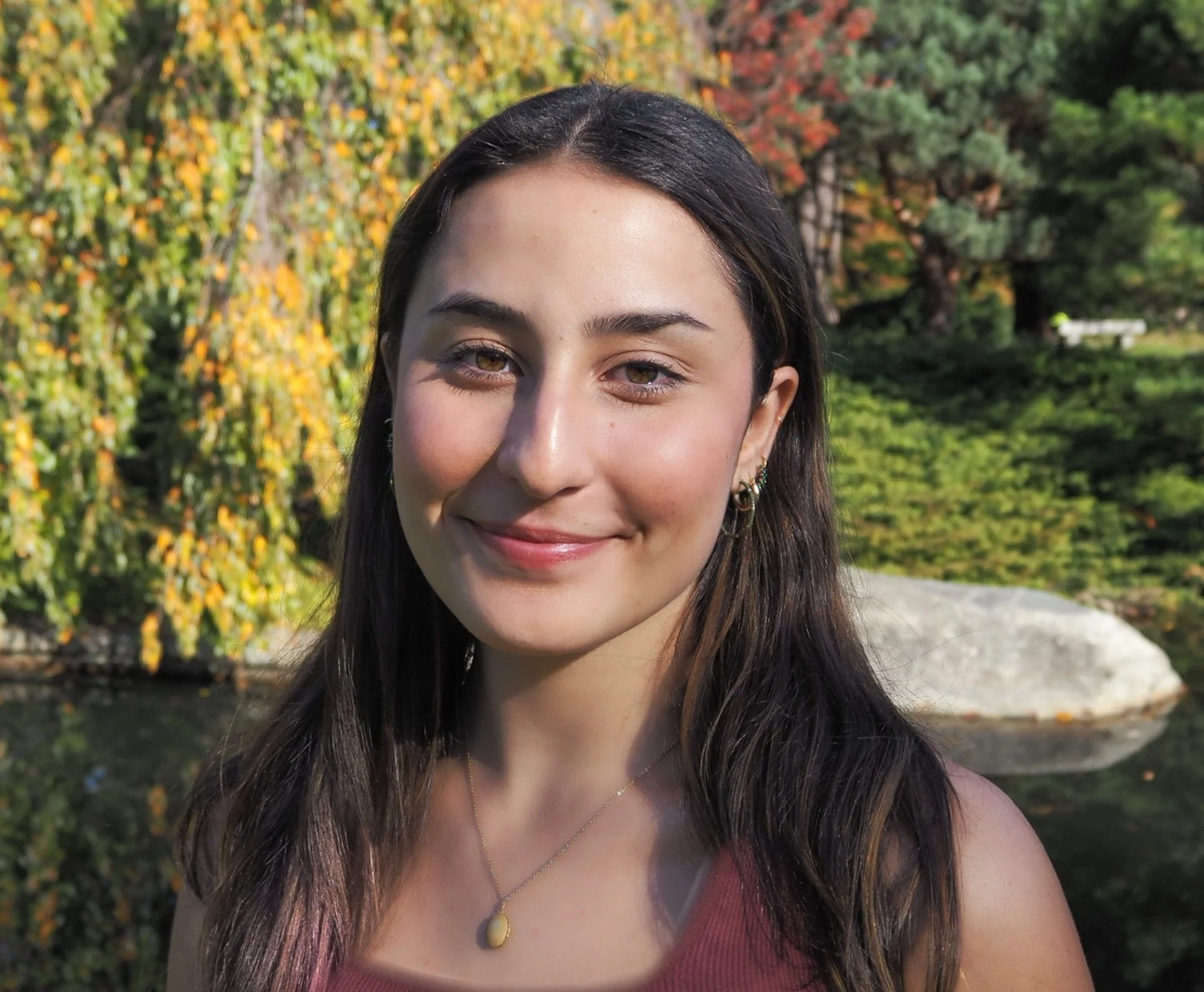
Ailey Costantino
DANCER
Brown ‘25
Alumni Artists
-

Cindy Won
MUSICIAN
Brown ’20
-

Jacqueline Jia
MUSICIAN
Brown ’23
-
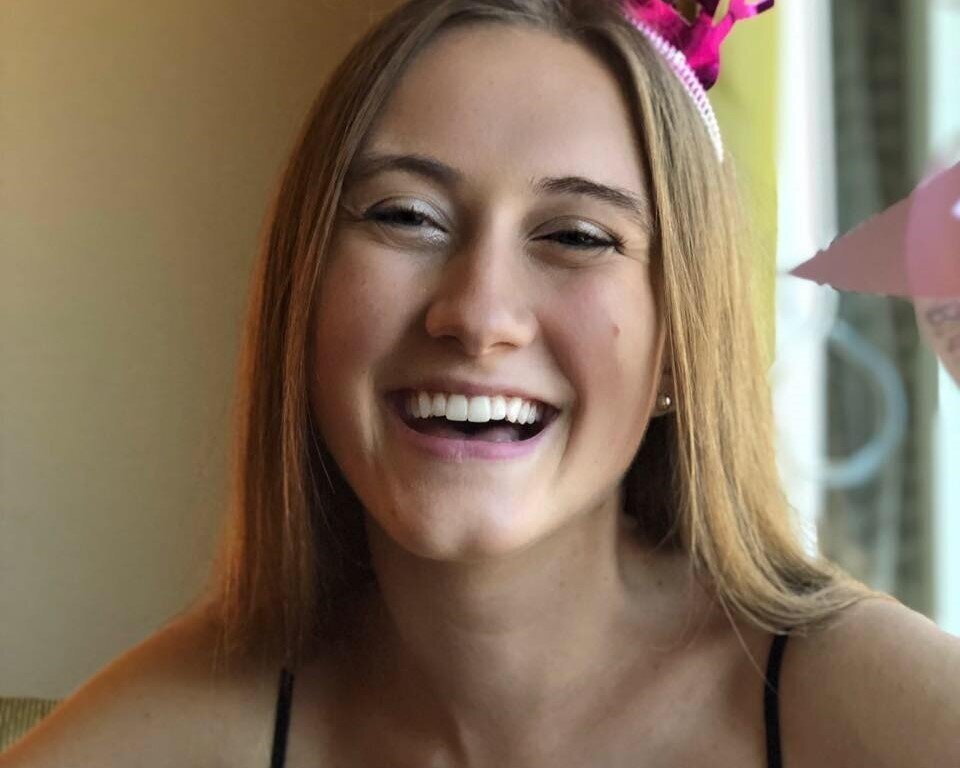
Katie Bound
DANCER
Brown ’20, Master of Science in Biotechnology — Brown ’21
-

Kelsey Hopkins
DANCER
Alpert Medical School ’23
-

Lori Sahakian
DANCER
Brown ’20
-
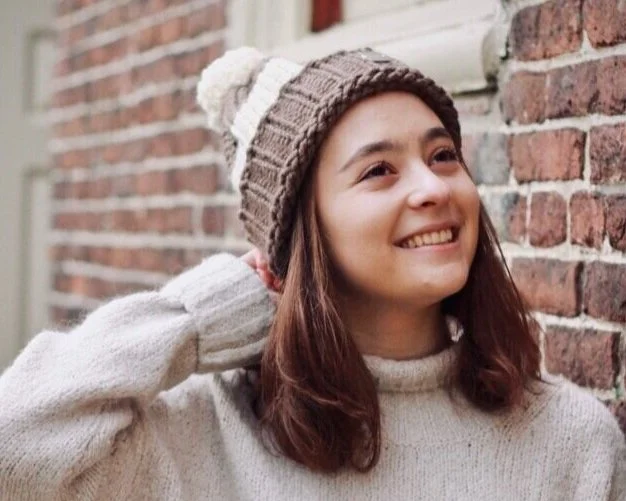
Noy Alon
DANCER
Brown ‘22
The 3D Project
The 3D Project—A Deeper Dive into DAPpers—is a multi-method research study of the DAPpers program started in 2020 and directed by a diverse research team of Brown faculty, alumni, and undergraduate students in addition to other members of the ASaP community. The goal of the project is to understand the benefits of the DAPpers program and to increase accessibility to DAPpers for older adults, caregivers and undergraduate students.
The 3D Leadership Team supports all individual team members in their projects and collectively, the team works collaboratively across projects.
3D Leadership Team
-

Stacey Springs
CO-INVESTIGATOR
-
Rachel Balaban
CO-INVESTIGATOR
-

Julie Adams Strandberg
RESEARCH ADVISOR
-

Miranda Olson
RESEARCH ADVISOR
-

Greg Youdan
RESEARCH ADVISOR
3D Research Teams
-

Anna Schwartz
INTERVENTION LEAD
-

Camila Lupi
INTERVENTION
-
Katie Bound
INTERVENTION
-
Lori Sahakian
INTERVENTION
-

Lucie Joerg
QUALITATIVE LEAD
-

Alex Seemar
QUALITATIVE
-
Abby Perelman
QUALITATIVE
-
-

Miriam King
SCOPING REVIEW CO-LEAD
-

Emily Garrison
SCOPING REVIEW CO-LEAD
-

Maya Singh
SCOPING REVIEW
-
Jacqueline Jia
Our Collaborators
Artists and Scientists as Partners

ASaP began with a vision: to bring the art of dance to populations with neurological disorders, specifically Parkinson’s disease (PD) and Autism Spectrum Disorder (ASD). From their experiences as dancers, co-founders Julie Adams Strandberg and Rachel Balaban knew that dance had the power to address many of the issues confronting these populations, such as isolation, lack of creative outlets, and movement challenges. They envisioned artistic practices in partnership with traditional medical and therapeutic approaches.
ASaP works with both medical and arts practitioners for greater recognition of patients’ creative voices and the knowledge they bring to their own healing and to medical practice. Through academic courses, projects, and events, ASaP facilitates programs on arts and health that build mutual understanding across disciplines and generations.

Guided by the artistic experience, cultural perspective, and intrepid vision of Carolyn Adams and Julie Adams Strandberg, Dancing Legacy is powered by the passion and efforts of an inter-generational, geographically dispersed, grass roots network of artists, educators, and specialists. Our network structure and workflow are inspired by membership and cooperative models with a hybrid of part-time and project-based work, donated time, barter/exchange, and partnerships with organizations sharing compatible missions.